


PRICED OUT OF CAMPUS: UI STUDENTS BATTLE SOARING RENTS AND HOUSING SHORTAGE
- psychlensui
- May 20
- 2 min read
By Simchia
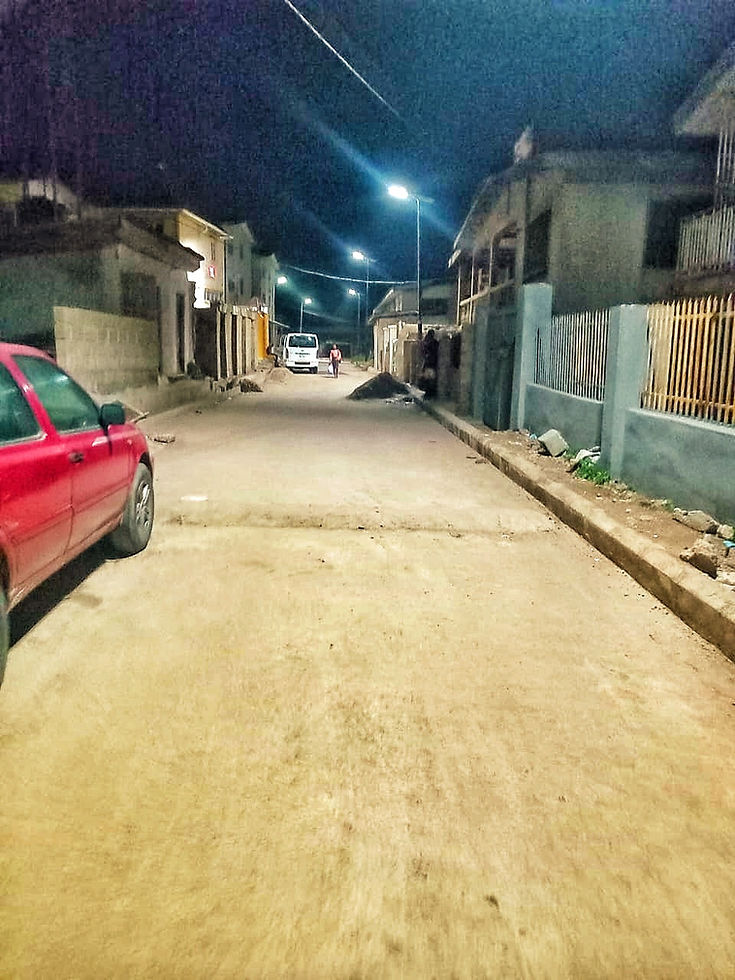
Chinedu Okeke is exhausted. The postgraduate student in the Faculty of Arts paid N120,000 last year for a cramped room in Agbowo, near the University of Ibadan. This year, his landlord raised the rent to N200,000, with an extra N50,000 agency fee, despite poor water supply, unstable electricity, and eight tenants sharing one toilet.
However, He is not alone, in this struggle. UI has about 9,859 hostel spaces for more than 30,000 students, leaving thousands to seek accommodation in Agbowo, Sango, Eleyele, Ojoo, and other nearby communities.
Off-campus rents now range from N150,000 to N600,000 yearly for single rooms, while some private hostels with amenities such as Wi-Fi and generators costs overboard. For many students whose families survive on modest incomes, the prices are simply unaffordable.
Although university hostels remain cheaper, with undergraduate fees at #60,000 per session and postgraduate spaces between N150,000 and N175,000, available spaces are extremely limited.
Omotayo Japheth, a final-year Law student, left Nnamdi Azikiwe Hall after enduring overflowing bathrooms, poor electricity, and deteriorating facilities. Yet his off-campus apartment in Agbowo still comes with water shortages and shared toilets.
For many students, there is no real choice left. When the accommodation portal opened in February, available spaces disappeared within days after the site repeatedly crashed.
Frederick Sunday, a second-year Political Science student, lost out and now faces paying N200,000 for a room in Agbowo after weeks of couch-surfing.
The Students’ Union, led by President Adeboye Temidayo Sewanu, called on the Oyo State Government to regulate rent and agency fees, describing the situation as exploitation. Agents continue to operate with little oversight, often inflating both rent and commission charges.
The university has partnered with private developers to build more hostels, but affordability remains a major problem. According to officials from the Lodgings Unit, the student-to-bed ratio is severely inadequate.
For students like Bola Ajibade, a 300-level Arts student, the housing crisis affects everyday life, from health and sleep to academic performance. Poor water supply, overcrowded toilets, and worsening living conditions have become routine realities.
The National Association of Nigerian Students has also warned that rising accommodation costs across South-West universities could push low-income students out of higher education, urging governments to increase hostel funding and support affordable housing development.
But for UI students, long-term solutions still feel distant. Every semester begins with the same ritual: desperate searches for rooms, frantic calls to agents, borrowed money, and compromises on safety and comfort. Some students squeeze three people into rooms built for one, while others commute long distances daily, arriving exhausted before lectures even begin.
As examinations approach, many students are not only preparing for tests, but also battling uncertainty over where they will live next session. Soon, the accommodation portal will reopen, and thousands will once again rush online hoping to secure one of the few available spaces.
Somewhere in Agbowo, Chinedu is already preparing himself for another rent increase. At UI, the cost of education is no longer measured by tuition alone. Increasingly, it is measured by the price of having a place to stay.



Comments